
 EN
EN English
 中文简体
中文简体 Français
Custom Vertical Elevator Conveyor Systems Manufacturers
Home / Equipment / Auxiliary Equipment / Industrial Construction Logistics Elevator For Vertical Conveying Materials
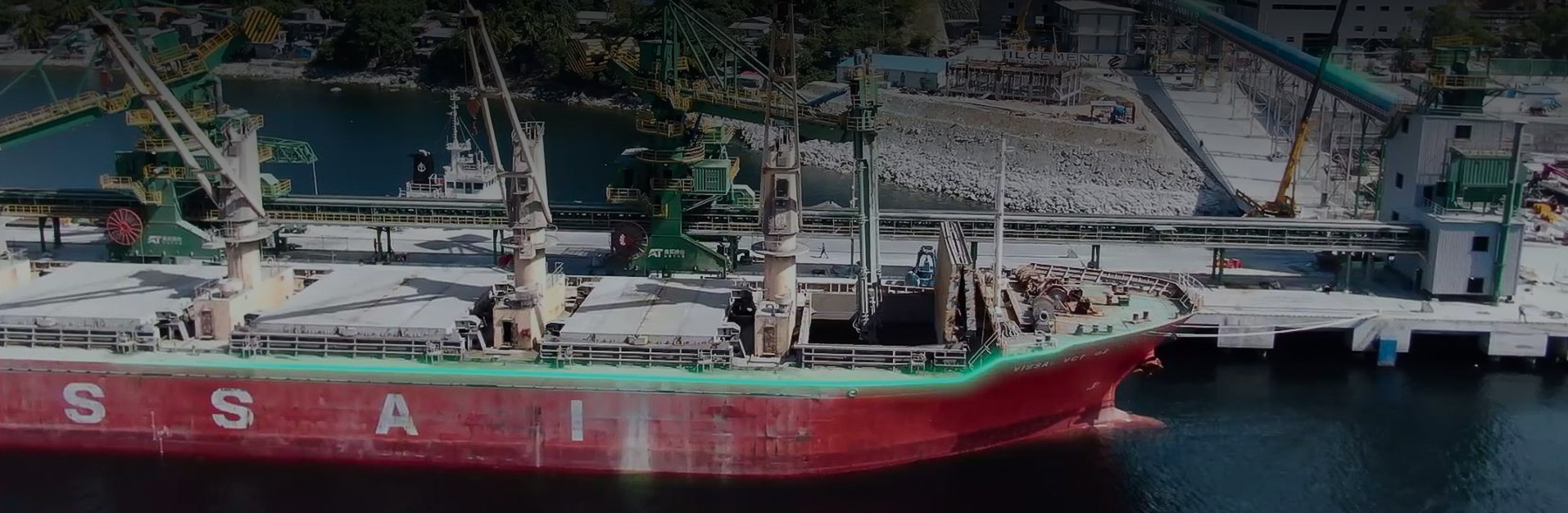
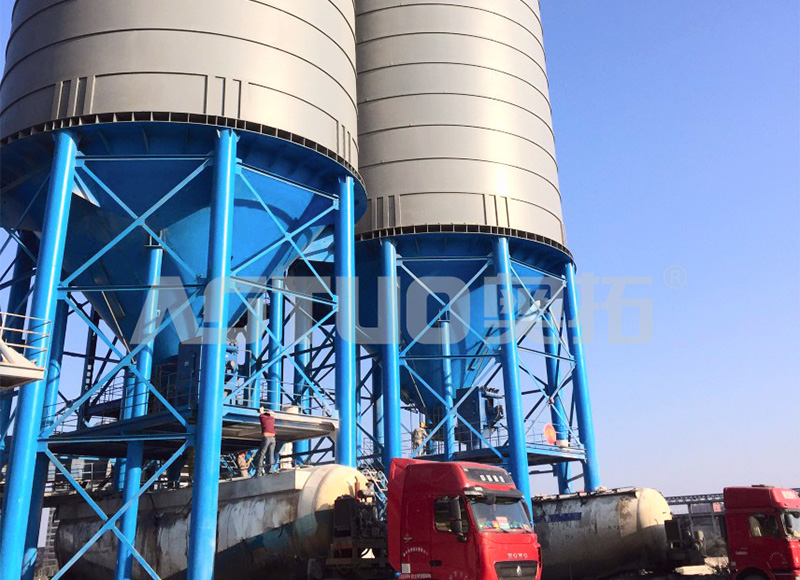
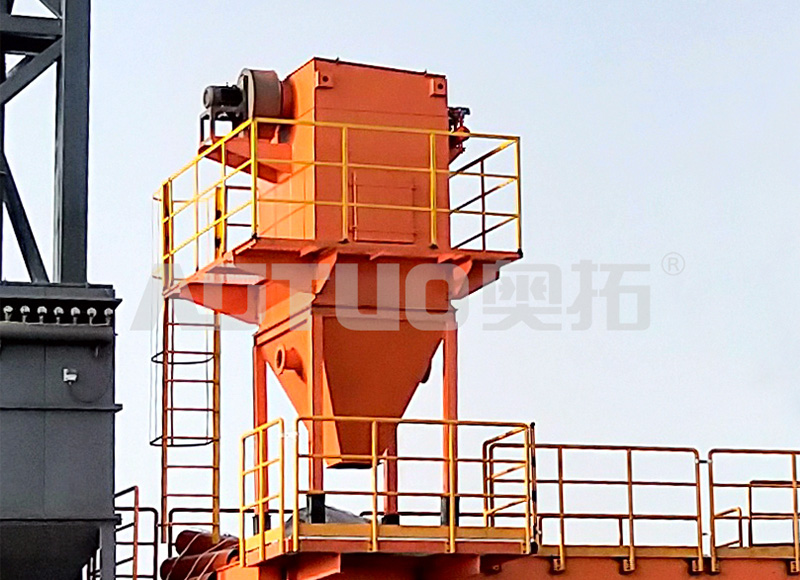
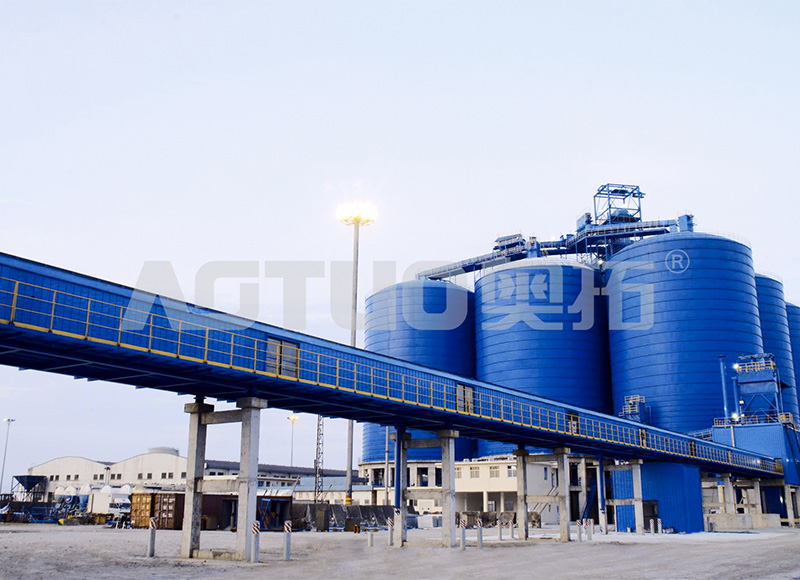
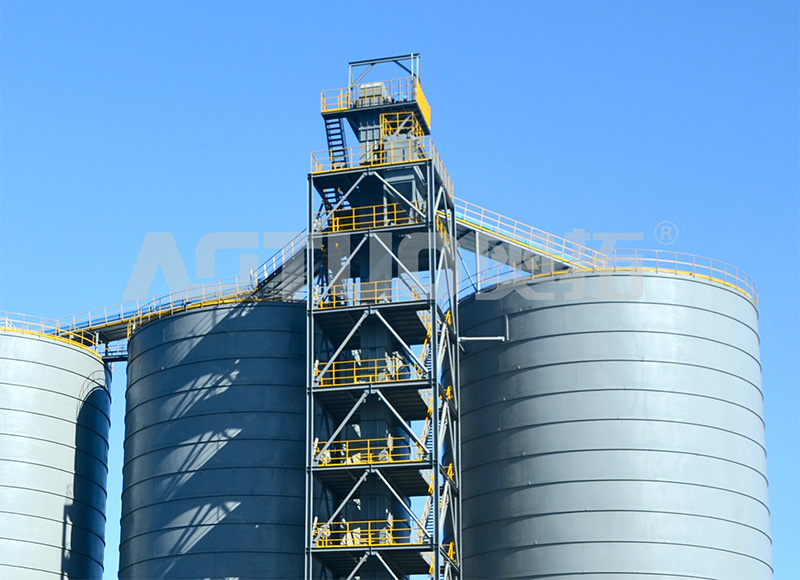
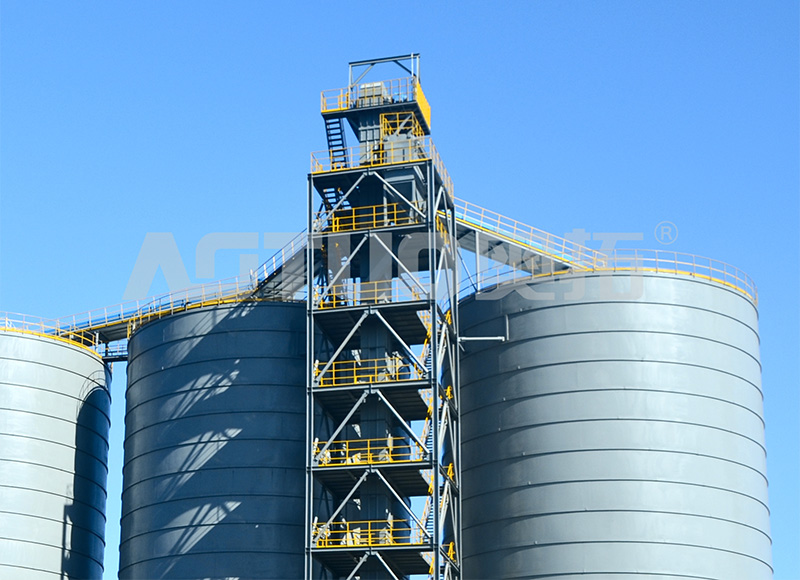
The Industrial Construction Logistics Elevator is a rugged vertical conveying system that efficiently transports heavy materials, equipment, and personnel between floors of construction sites, high-rise buildings, and industrial facilities. It features a solid steel structure, advanced safety mechanisms (such as overload protection and emergency brakes), and a customizable platform to handle various types of cargo, including pallets, mechanical equipment, and construction waste. Its modular design allows for rapid assembly and disassembly to adapt to changing project needs. With reliable electric operation and precise floor leveling, the elevator increases productivity, reduces labor, and ensures safe and timely material flow in demanding environments such as skyscraper construction or factory logistics.
| Load capacity range | Up to 50 metric tons (customizable per application) |
| Lifting speed | 0 to 60 meters per minute (variable frequency control) |
| Maximum lifting height | Up to 80 meters (with intermediate supports) |
| Drive configuration | Geared motor with frequency inverter for smooth operation |
| Enclosure protection | IP55 standard for dust and moisture resistance |
| Control interface | PLC-based with HMI touchscreen panel |
| Safety systems | Overload sensing, emergency braking, door interlock, overspeed governor |
| Platform / cage types | Open platform (forklift accessible), enclosed cage, custom design |
| Guide rail system | Steel T-rails with roller guides |
| Power supply | 380V-690V 50/60Hz three-phase |
It is focused on the overall solution of dry bulk material port transfer system,
research and development, manufacturing, and service

Professionalism

Quality

One stop solution

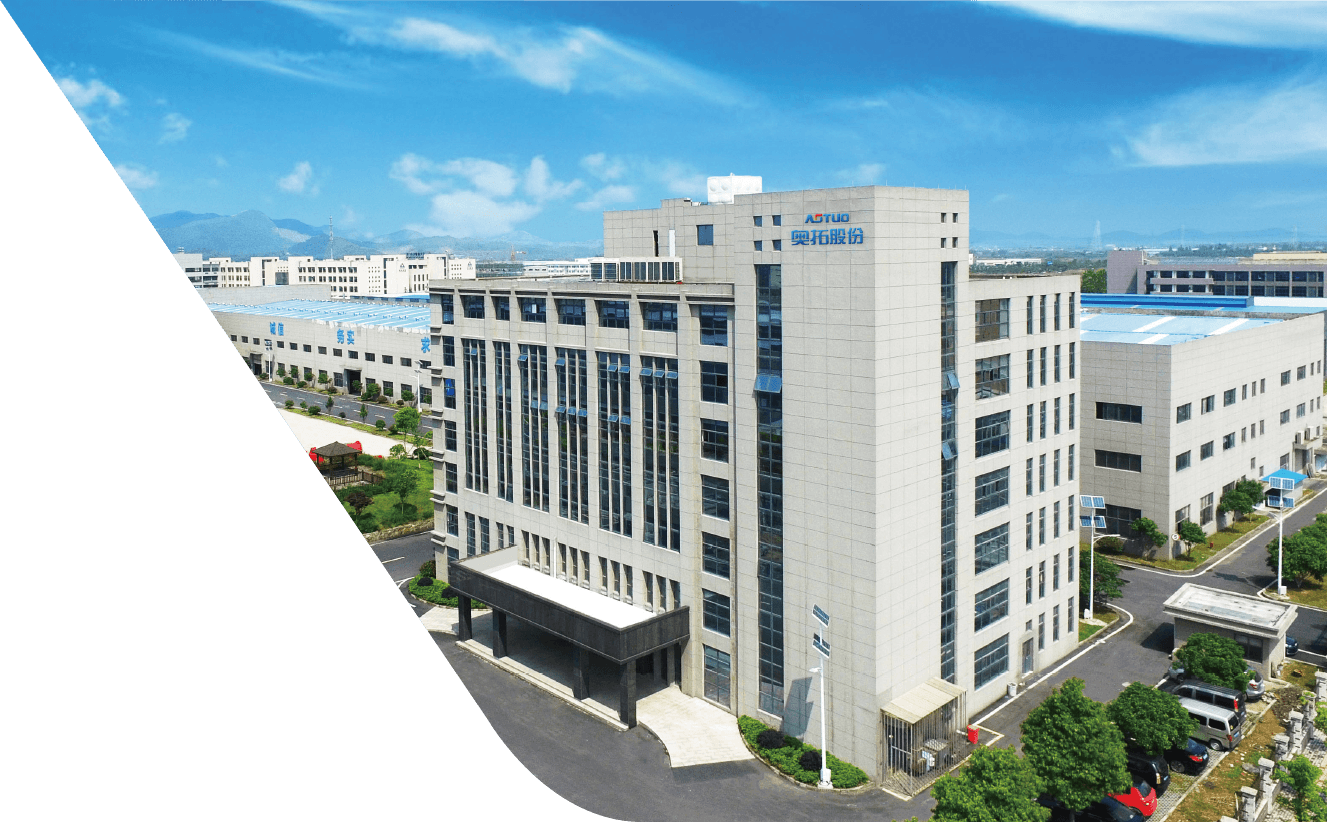

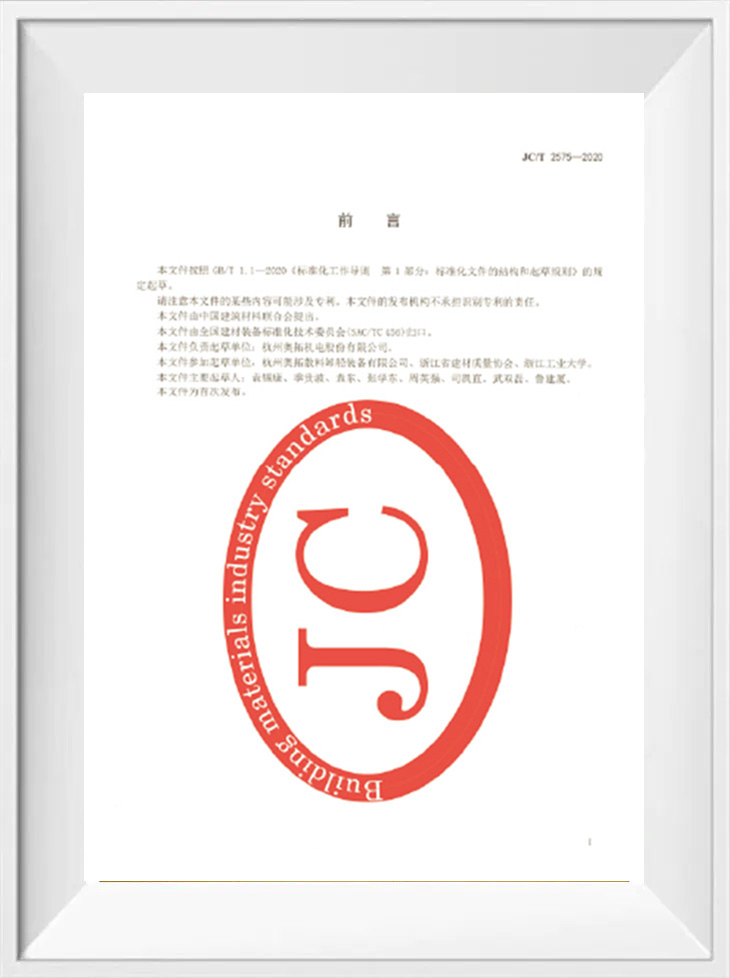
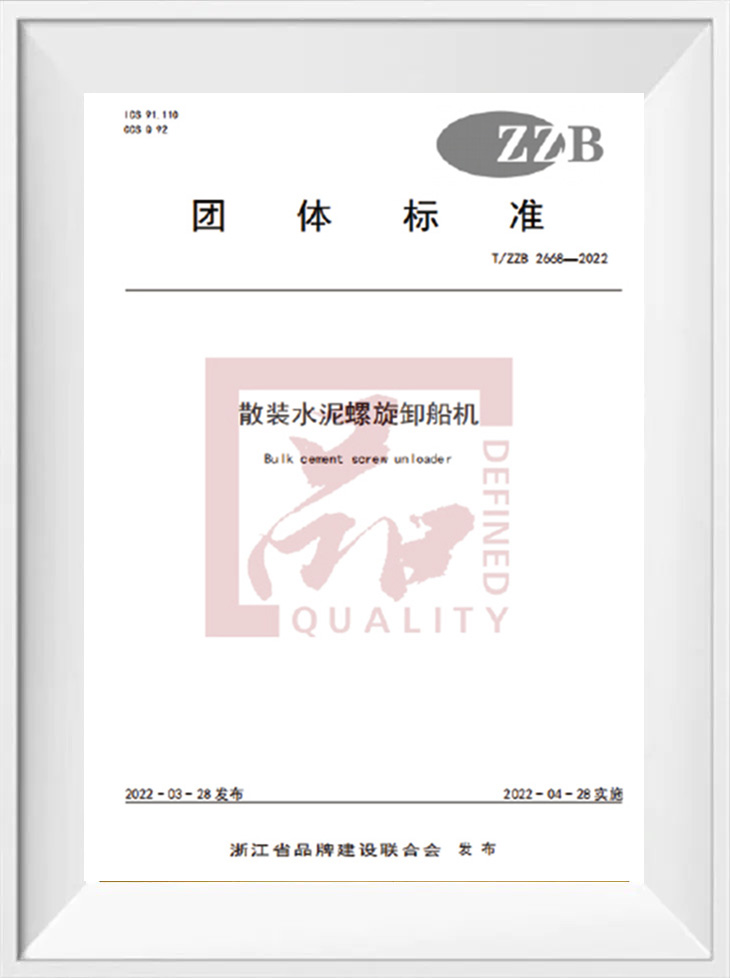
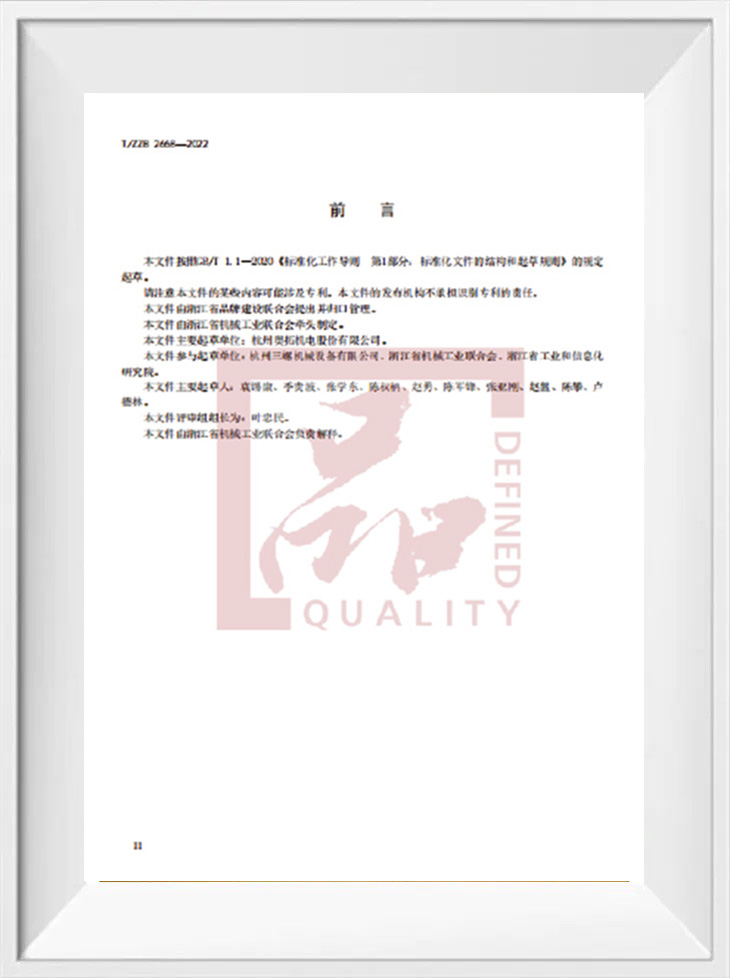
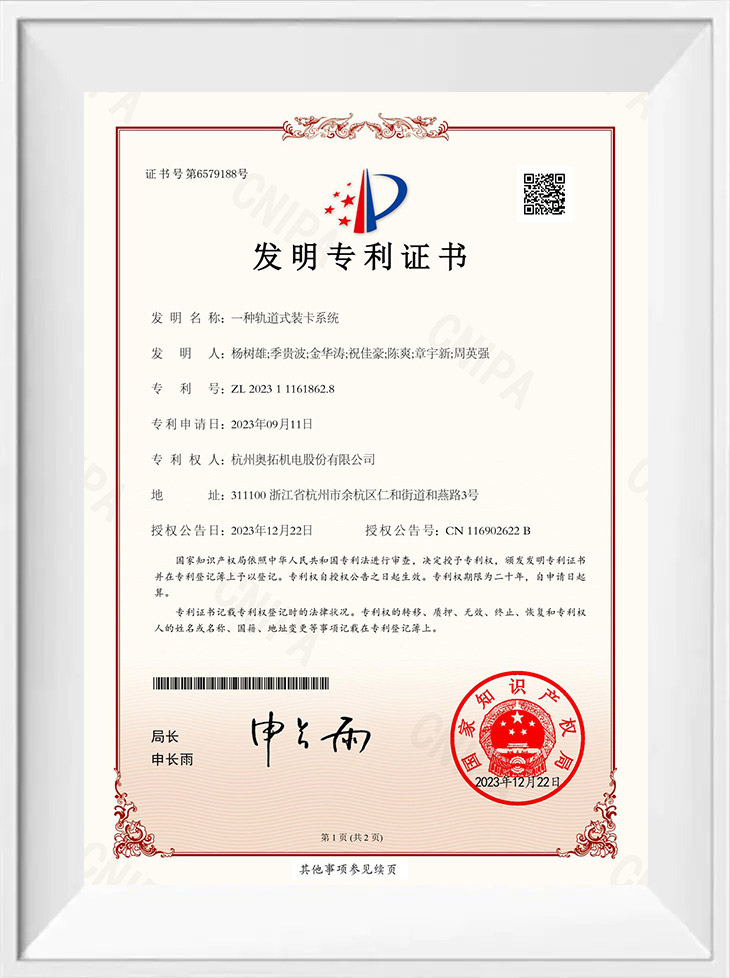
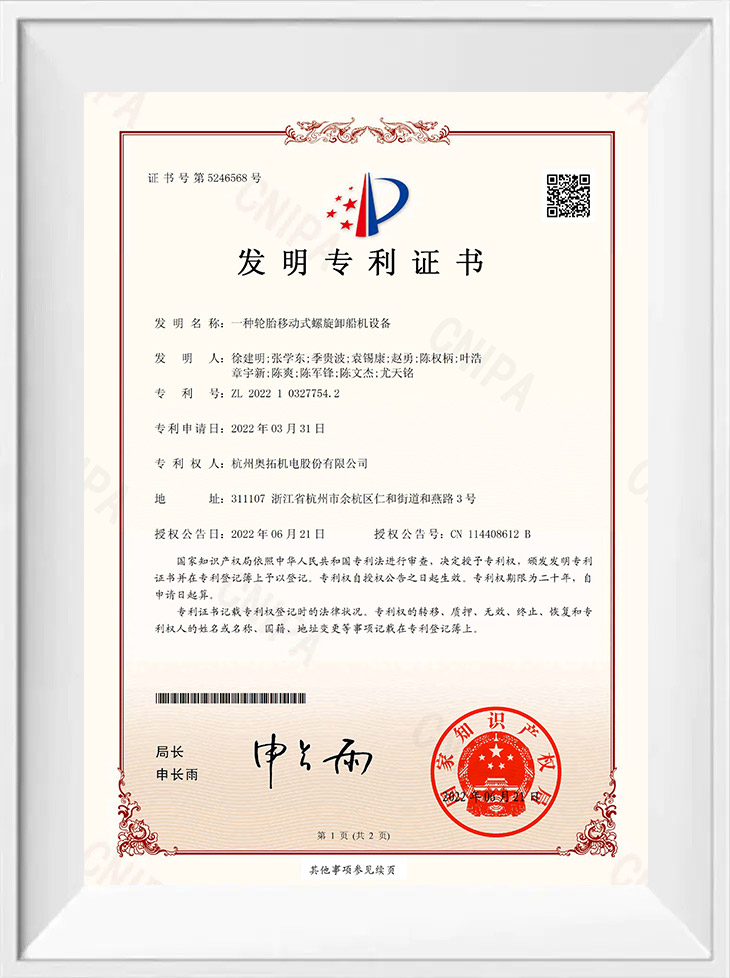
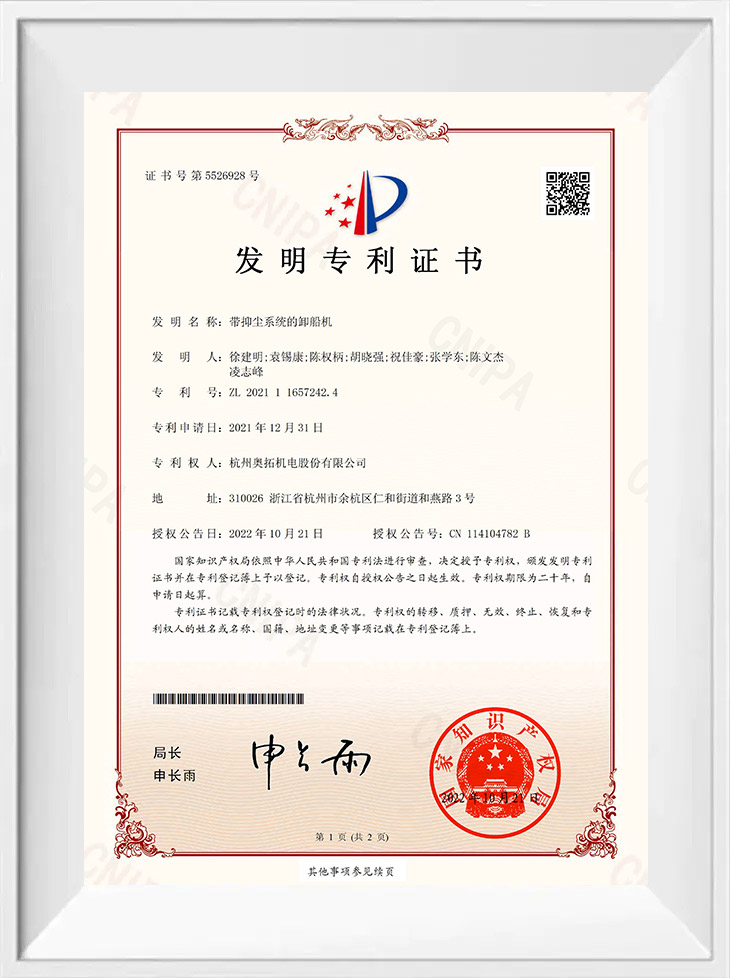
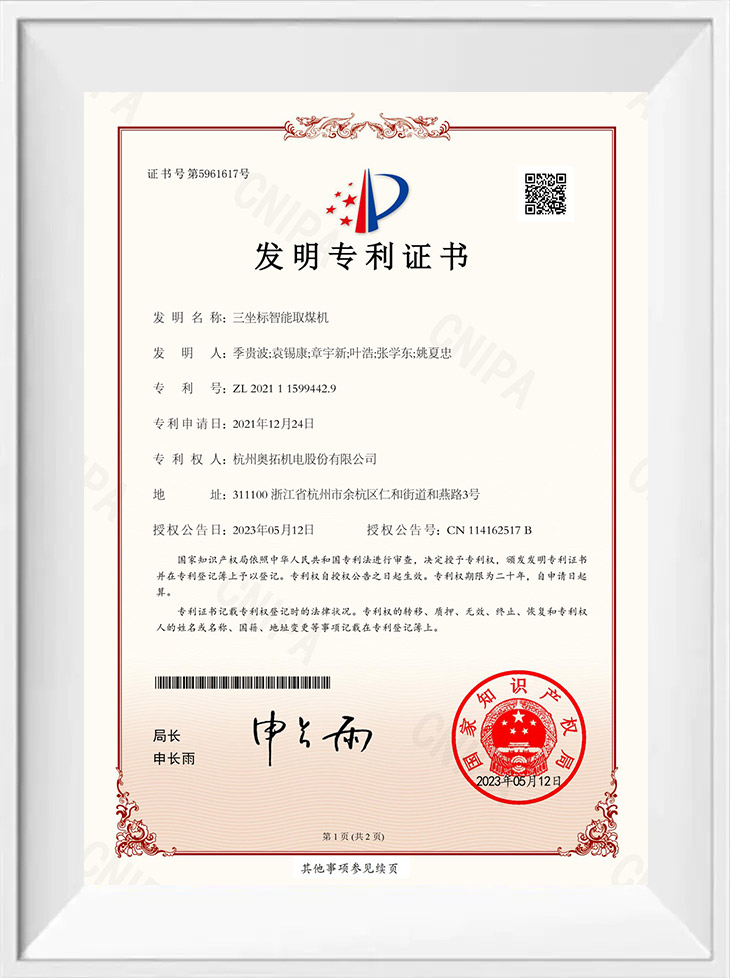
Hangzhou Aotuo Mechanical and Electrical Co., Ltd. — vertical conveying equipment for industrial, construction and port logistics
Hangzhou Aotuo Mechanical and Electrical Co., Ltd. (AOTUO) manufactures the Industrial Construction Logistics Elevator For Vertical Conveying Materials as part of our auxiliary equipment range for dry bulk material port transfer systems. This vertical elevator moves palletized goods, containers, equipment and loose materials between levels in industrial buildings, warehouses, construction sites and port terminals.
We build the elevator around a heavy-duty steel mast or guide rail structure with a guided platform or cage. The drive uses a geared motor with frequency inverter for smooth acceleration and precise floor positioning. Standard configurations handle loads up to 50 metric tons, lifting speeds from 0 to 60 m/min, and lifting heights up to 80 meters.
| Parameter | Specification |
|---|---|
| Load capacity | Up to 50 metric tons (customizable per application) |
| Lifting speed | 0 to 60 meters per minute (variable frequency control) |
| Maximum lifting height | Up to 80 meters (with intermediate supports) |
| Drive configuration | Geared motor with frequency inverter |
| Enclosure protection | IP55 standard for dust and moisture resistance |
| Control interface | PLC-based with HMI touchscreen panel |
| Safety systems | Overload sensing, emergency braking, door interlock, overspeed governor |
| Platform / cage types | Open platform (forklift accessible), enclosed cage, custom design |
| Guide rail system | Steel T-rails with roller guides |
| Power supply | 380V–690V, 50/60Hz three-phase |
The elevator suits operations where vertical movement of heavy or palletized loads is a daily requirement. We configure the platform type, load rating and control interface to match the material flow and building layout.
We build each elevator around the required working point. The main configuration decisions are load capacity, speed, platform type and control integration.
Standard capacities of 5, 10, 20, 30 and 50 tons. Selection is based on maximum operating weight including platform and payload.
Optimized for material type and travel distance. Higher speeds suit long travel; lower speeds suit heavy loads and precise positioning.
Open platform for forklift access, enclosed cage for loose materials, or custom designs for specific cargo shapes.
The elevator uses a PLC-based control system with an HMI touchscreen for programming and diagnostics. Operation can be via push-button panels at each floor, remote control, or integrated into a warehouse management system. Multiple call stations can be networked for efficient traffic management.
We configure the control system around the required line interface, including signal exchange with upstream and downstream conveying equipment. The frequency inverter provides smooth acceleration and automatic leveling at each floor position.
Standard safety features include overload sensing with audible alarm, mechanical and electrical emergency brakes, overspeed governor, door interlock switches preventing operation when doors are open, and emergency stop buttons at each floor and on the platform. An emergency lowering system is provided for power failure conditions.
The elevator meets EN 81-20 and ASME A17.1 standards. Third-party inspection and certification are available. The IP55 enclosure protects against dust and moisture in harsh environments; outdoor installations require weatherproof covers.
Installation requires a reinforced concrete foundation and structural support for guide rails at each floor. Load transfer to the building structure must be verified. The minimum footprint is typically 3m × 3m for small units, increasing with load capacity and platform size. Ceiling height must accommodate the full lifting height plus overhead clearance for the drive system.
We supply factory pre-assembled modules. On-site installation covers guide rail erection, drive mounting and electrical connection. Motor power ranges from 15 to 150 kW depending on load and speed. Control voltage is 24V DC. Ambient temperature limits are −10°C to +45°C.
Routine maintenance includes guide rail lubrication, drive chain or belt inspection, brake system checking and control system diagnostics. Scheduled inspections are recommended every 500 operating hours, with an annual full-service check by certified technicians. Enclosure cleaning is advised for dust-prone environments.
Our guide rail and roller systems are designed for low maintenance. We provide operator training covering operation, emergency procedures and daily inspection. Spare parts and technical support are available through our service network.
To prepare a suitable proposal, we need the following project data:
AOTUO supplies a complete range of dry bulk material handling equipment for port and industrial projects. The vertical elevator integrates with our other auxiliary equipment and ship unloader systems.
What are the space requirements for installation?
The elevator requires a vertical shaft or open structure with sufficient clearance for the platform and guide rails. Minimum footprint is typically 3m × 3m for small units, increasing with load capacity and platform size. Ceiling height must accommodate the full lifting height plus overhead clearance for the drive system. We recommend an engineering site survey before finalizing the layout.
How is the elevator controlled and operated?
The system is controlled by a PLC with HMI touchscreen for programming and diagnostics. Operation can be via push-button panels at each floor, remote control, or integrated into a warehouse management system. Multiple call stations can be networked for efficient traffic management.
What safety features are included?
Standard safety features include overload sensing system, mechanical and electrical emergency brakes, overspeed governor, door interlock switches preventing operation when doors are open, and emergency stop buttons at each floor and on the platform. Additional safety options are available upon request.
What maintenance is required for the vertical elevator?
Routine maintenance includes guide rail lubrication, drive chain or belt inspection, brake system checking, and control system diagnostics. Scheduled inspections every 500 operating hours. Annual full-service check by certified technicians. Enclosure cleaning for dust-prone environments.
Can the elevator be customized for specific load sizes or building layouts?
Yes. We offer open platforms, enclosed cages and custom platform designs to suit specific cargo shapes and handling methods. Load capacity, speed and control interface are configured around the required working point. Our modular design allows for rapid assembly and disassembly to adapt to changing project needs.
What information do you need to prepare a quotation?
We need the maximum load weight, lifting height, number of stopping floors, material type and handling method, required speed or cycle time, available footprint, building structural details, power supply, control integration requirements and environmental conditions. This allows us to configure the elevator and provide a detailed proposal.
Copyright © Hangzhou Aotuo Mechanical and Electrical Co., Ltd. All Rights Reserved.
Custom Vertical Elevator Conveyor Systems Manufacturers



