Hangzhou Aotuo Mechanical and Electrical Co., Ltd. · Continuous Receiving Device
Modular receiving and conveying equipment for automated production lines, warehouse logistics and port terminals.
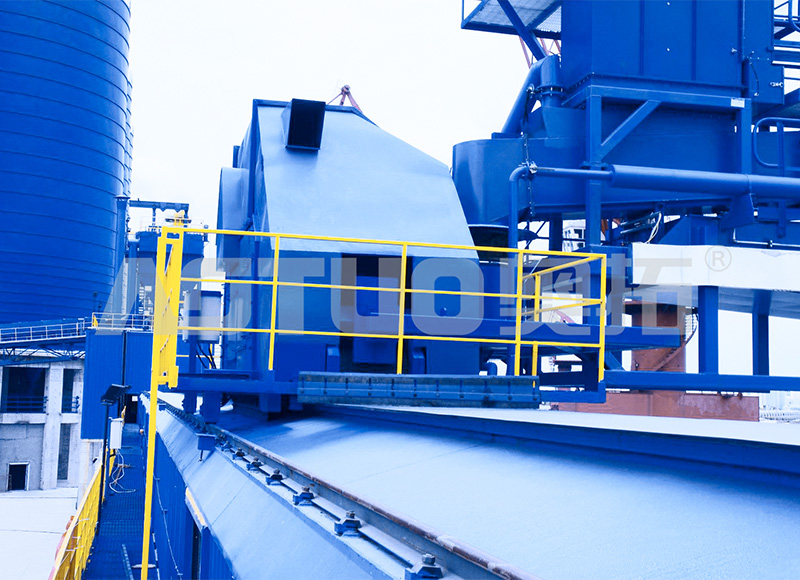
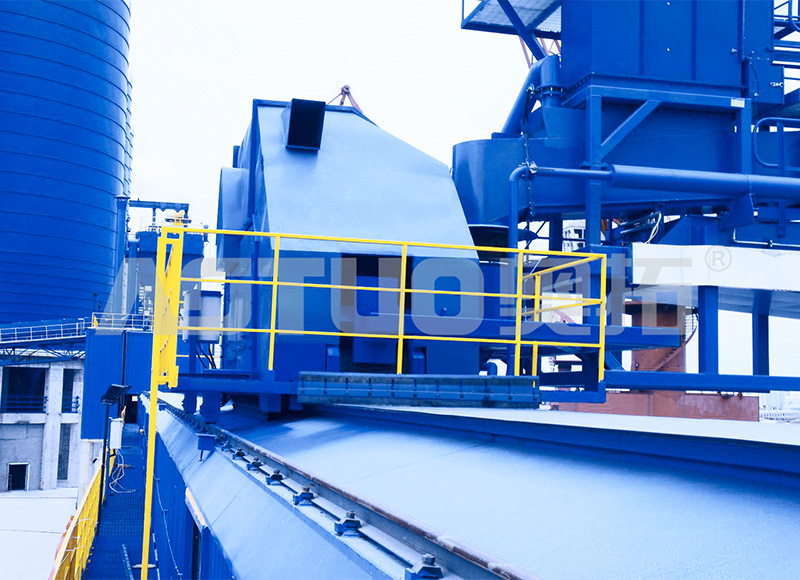
Hangzhou Aotuo Mechanical and Electrical Co., Ltd. (AOTUO) has manufactured dry bulk material handling equipment since 2003. Our Continuous Receiving Device is the receiving and transfer link that connects upstream discharge points to downstream storage, weighing or process feed. It is built as a modular system: belt, screw, chain or roller conveying sections, receiving hoppers, discharge chutes and PLC-based control assembled around the actual material, throughput and layout.
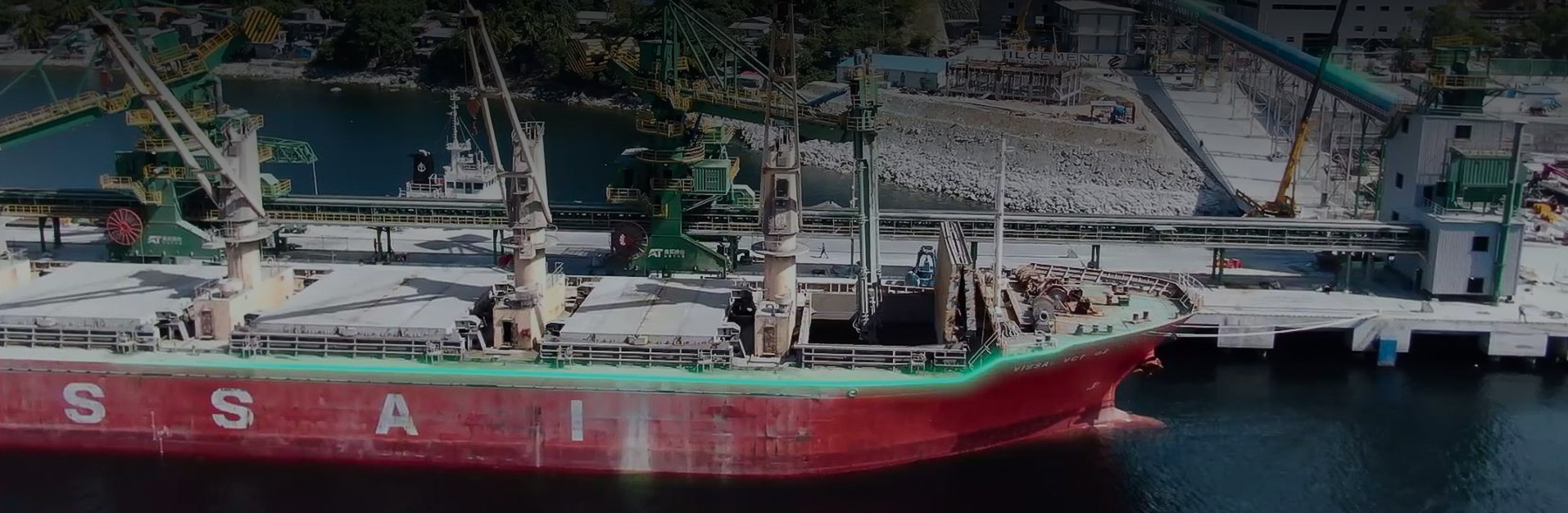
We supply this equipment as part of a wider port and plant transfer scope that includes screw ship unloaders, ship loaders, dust suppression hopper loaders and auxiliary equipment. That means the receiving device is specified together with the machines that feed it, not in isolation.
What the Continuous Receiving Device Does
As a Industrial/Logistics/Automated Production Line Material Conveying and Receiving Mechanical Devices manufacturer, we match product configuration to the application, operating limits, interfaces and acceptance criteria defined for each project.
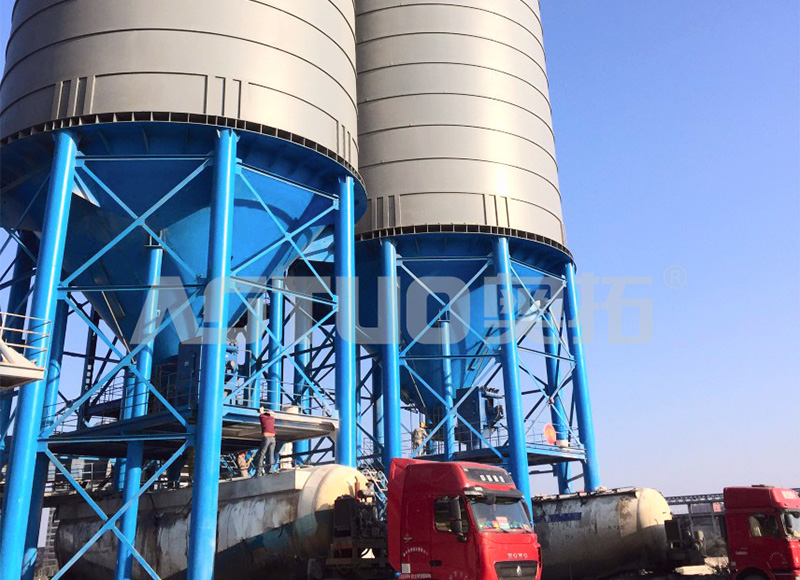
The unit receives material from a ship unloader, truck tipper, silo outlet or production machine and moves it continuously to the next stage. Capacity ranges from 1 to 500 t/h and conveying speed from 0.5 to 5 m/s, with variable frequency control on the drive. The receiving hopper, conveyor type and discharge arrangement are selected from the material characteristics and the interface points on site.
- Receiving section: hopper or inlet chute sized for the discharge rate and lump size of the feeding equipment.
- Conveying section: belt, screw, chain or roller modules in straight, curved, inclined or vertical arrangement.
- Discharge section: chute, diverter or metering point matched to the downstream silo, weigh hopper or process inlet.
- Control section: PLC with HMI touchscreen, interlocks and optional remote monitoring.
Conveying Options and Where Each Fits
Conveyor type is the first configuration decision because it follows the material. We select from four established options and combine them where a single line changes direction or elevation.
| Conveyor Type |
Typical Material |
Application Fit |
| Belt conveyor |
Cement, clinker, grain, aggregates, general bulk |
Long horizontal runs, high capacity, low degradation |
| Screw conveyor |
Powders, fly ash, cement, flour, plastic pellets |
Dust-tight transfer, short to medium runs, inclined feed |
| Chain conveyor |
Heavy or hot bulk, clinker, coarse material |
Abrasive duty, enclosed path, steep incline |
| Roller table |
Palletized goods, cartons, unit loads |
Warehouse receiving, sorting and distribution lines |
Technical Specifications
- Conveying capacity: 1–500 t/h, set by material and line requirement
- Conveying speed: 0.5–5 m/s with variable frequency drive
- Material contact: carbon steel as standard; stainless steel 304/316 or food-grade options
- Protection class: IP54–IP65 according to dust, moisture and washdown conditions
- Power supply: 380–690 V, 50/60 Hz three-phase; motor power 3–250 kW by system size
- Control: PLC + HMI, 24 V DC control voltage, Ethernet/IP, Profibus or Modbus interface
- Ambient range: −15 °C to +45 °C
Configuration and Line Integration
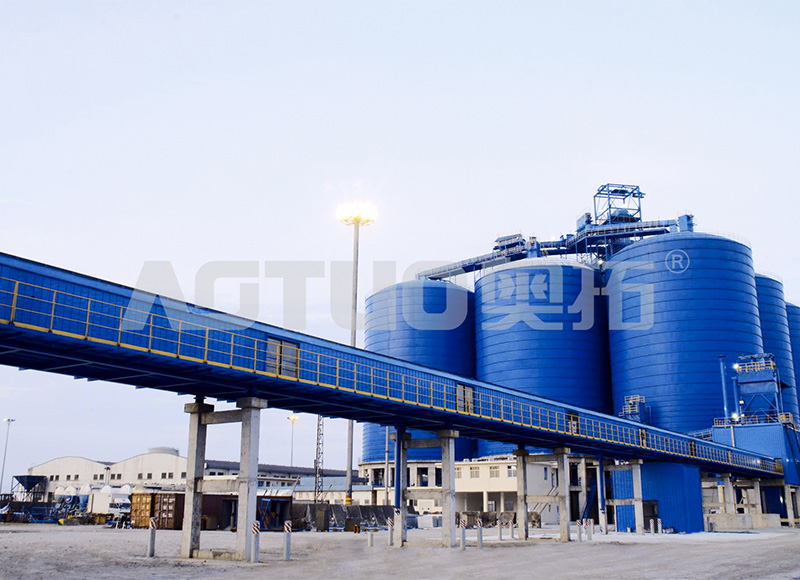
We configure the receiving device around the working point of the line rather than a fixed catalogue size. Layout can be straight, curved, inclined, vertical or a combination of modular sections, which allows the unit to fit existing structures and tie into the feeding and discharging equipment already on site.
Automation integration covers automated sorting, metering, distribution and weigh-batching. The PLC can exchange data with a warehouse management or production control system, and remote monitoring and alarm notification are available as options. Where the receiving device works behind a ship unloader, it is matched to the unloader’s rated output; our port equipment range includes the 1000-70000 DWT 200-1500t/h Rail mobile Screw Ship Unloader and the Belt Conveyor For Conveying Loose Materials/Finished Materials that commonly follows it.
Safety and Operating Provisions
- Emergency stops, pull-cords and zero-speed monitoring
- Guards and quick-release access panels for maintenance
- Lockout/tagout provisions as standard
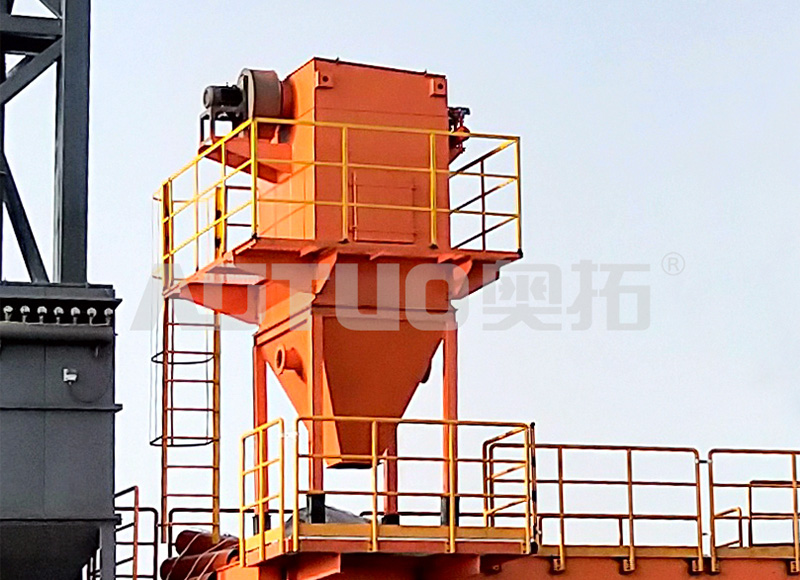
- Dust-tight covers for powder handling
Installation, Commissioning and Maintenance
Sections are factory pre-assembled to shorten on-site work. Installation requires a foundation or support structure with load capacity matching the system weight, with support spacing based on conveyor length and load. Commissioning includes run-in and load testing before handover.
Routine maintenance covers drive unit lubrication, belt or chain tensioning, roller inspection and cleaning. Belt life typically runs 2–4 years depending on material abrasiveness, and annual inspection of wear components is recommended. Wear parts are accessible through the quick-release guards, and we support long-term spare parts supply for the equipment we deliver.
Information We Use to Configure Your Solution
Our proposal is based on the working point, material and production target. The following inputs let us size the receiving device, select the conveyor type and confirm the control interface.
| Input |
What It Determines |
| Material type, density, lump size, moisture, temperature |
Conveyor type, material contact, wear protection |
| Required throughput and operating hours |
Capacity, drive power, speed range |
| Layout drawing, levels and interface points |
Section arrangement, supports, transfer chutes |
| Upstream and downstream equipment ratings |
Receiving hopper size, discharge interface |
| Control system and communication protocol |
PLC configuration, signal list, integration scope |
| Power supply and site environment |
Voltage, IP rating, enclosure materials |
Quality Control and Project Support
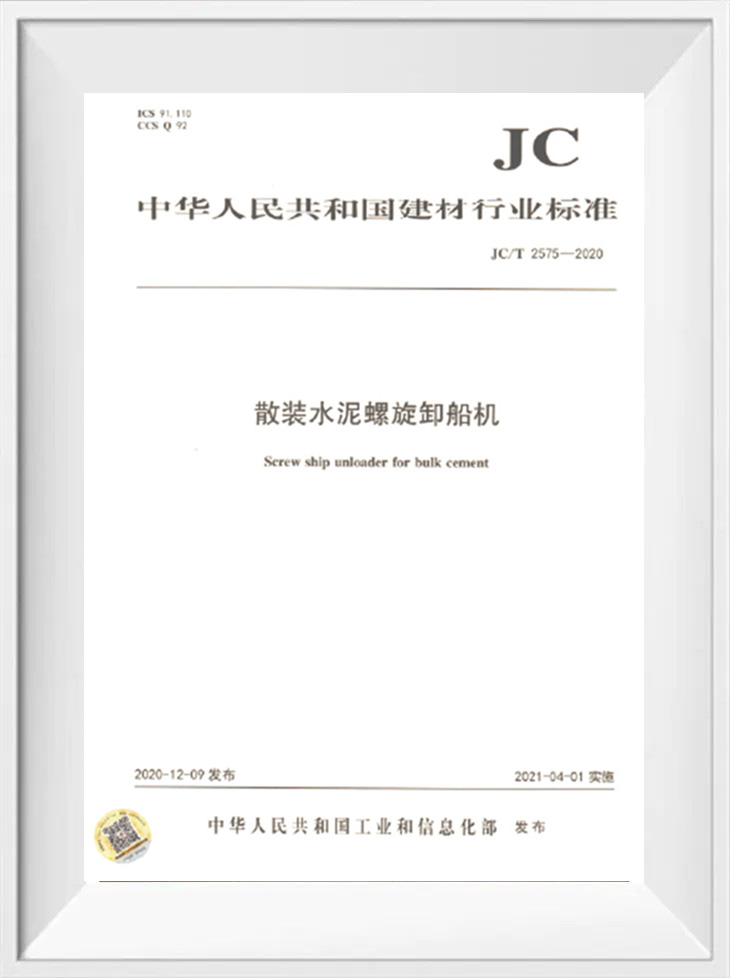
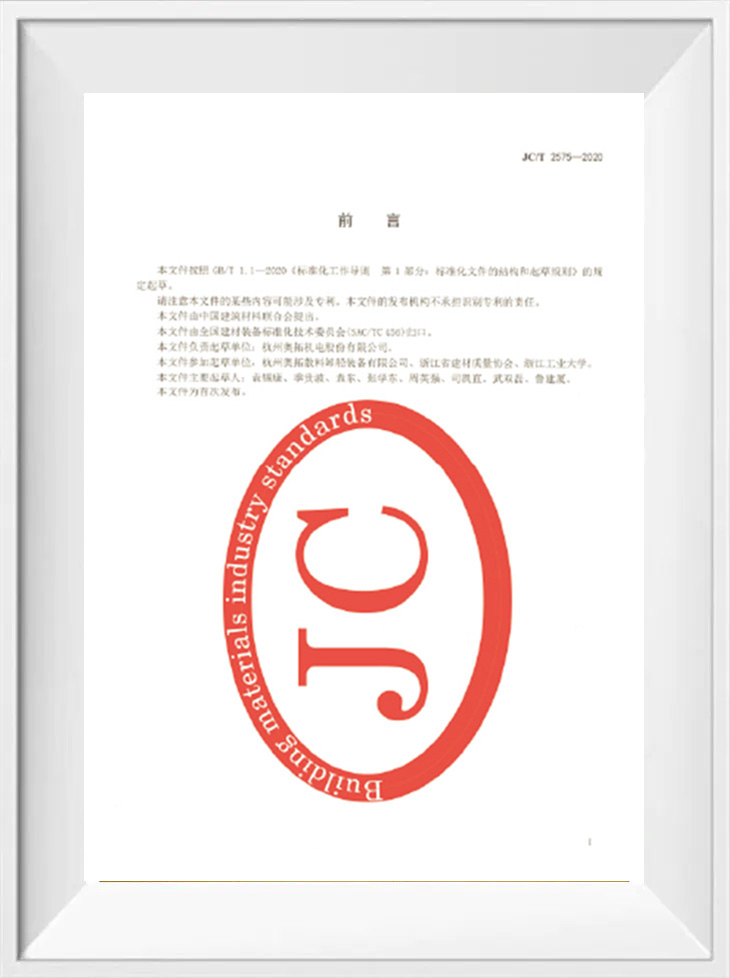
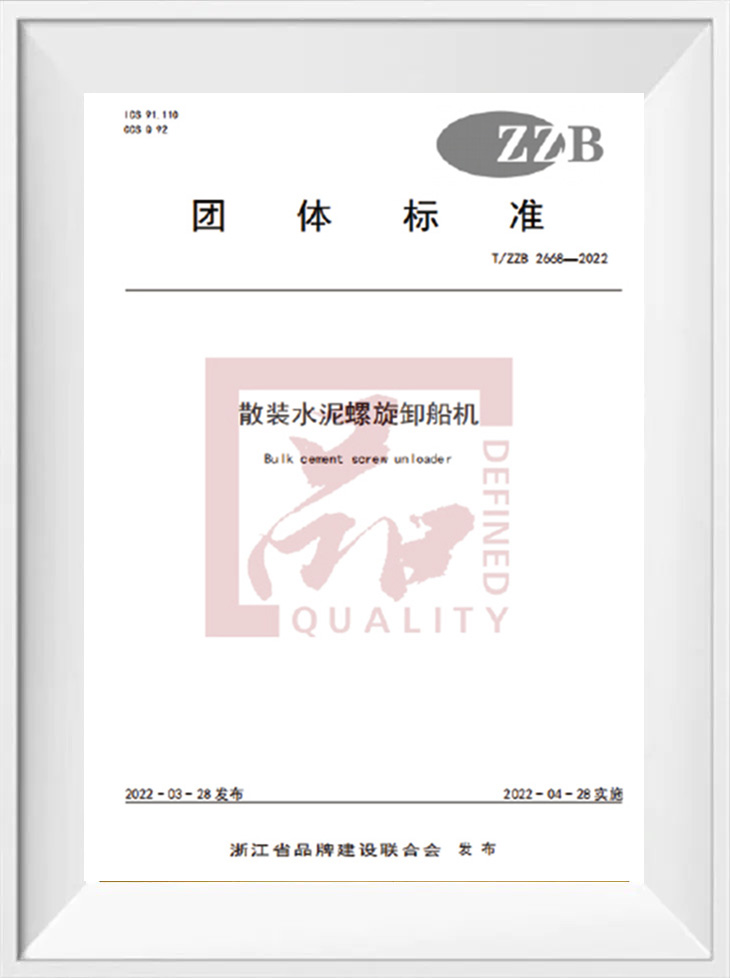
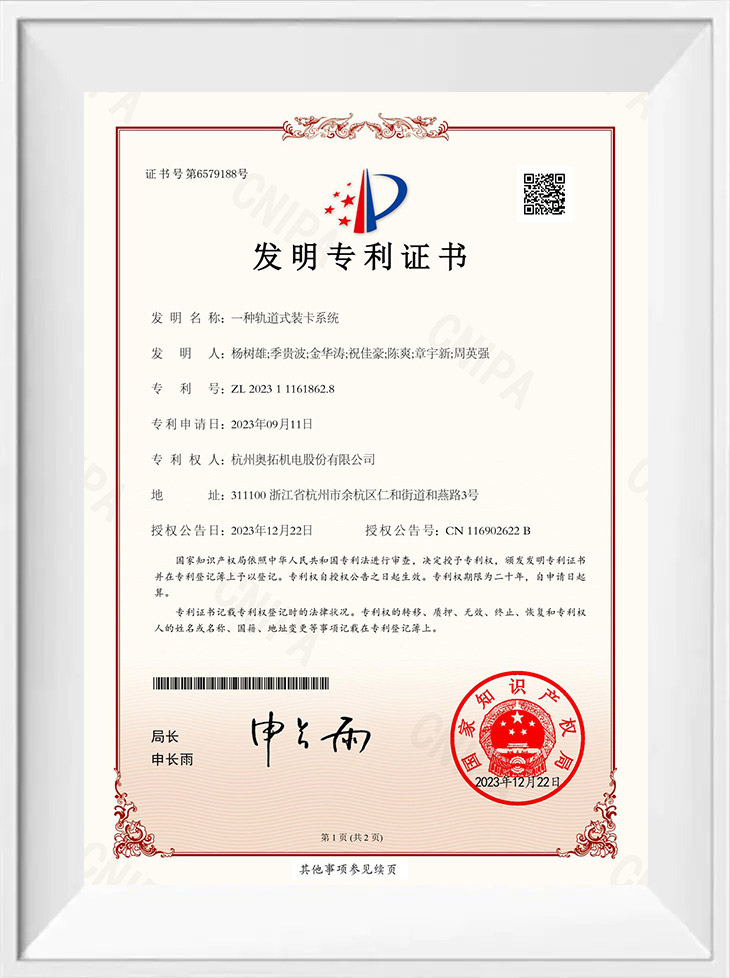
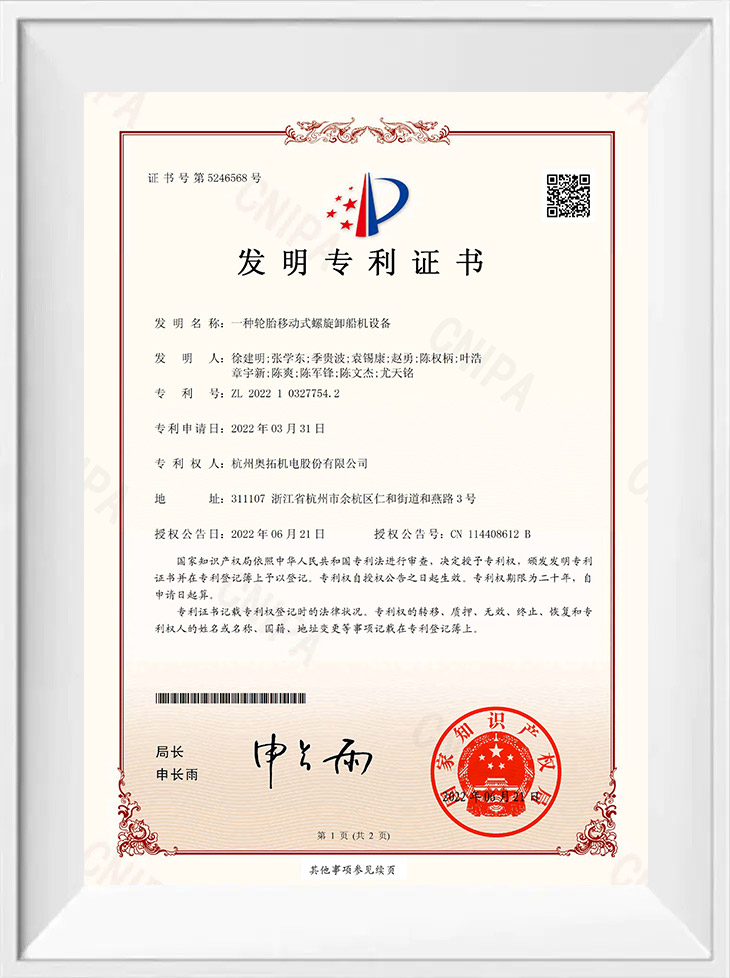
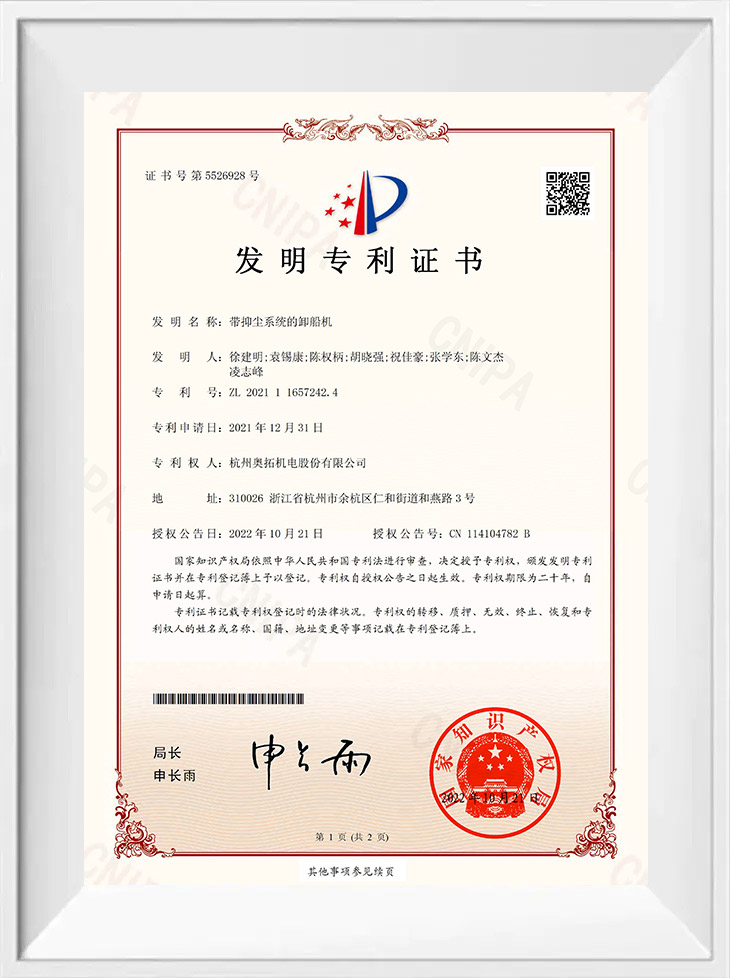
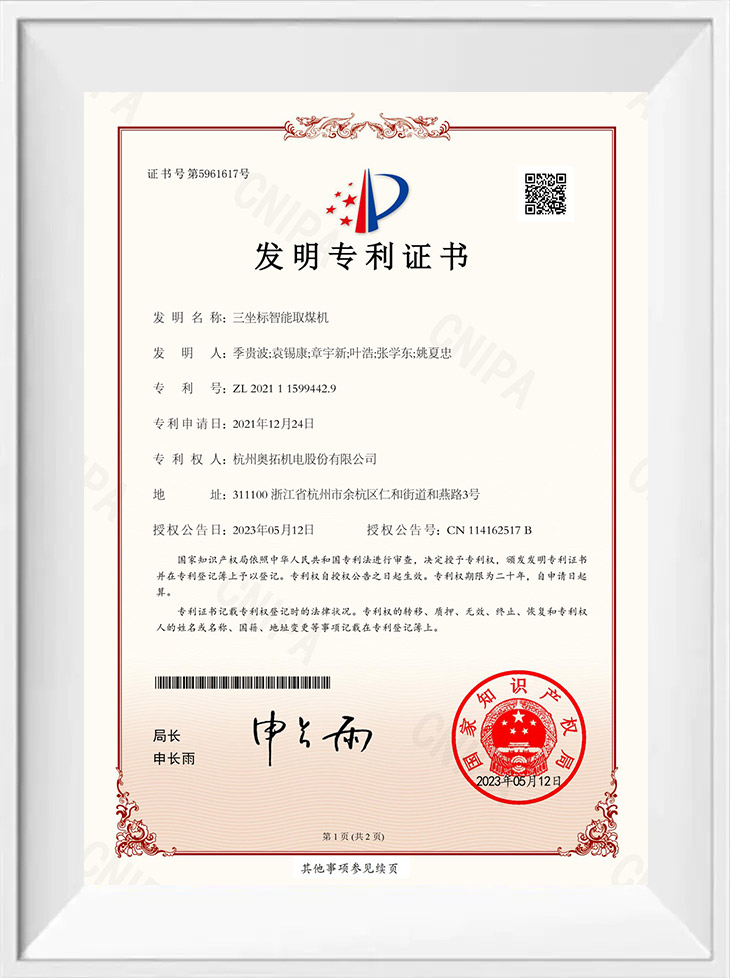
AOTUO operates a 14,000 m² A-level production workshop with testing equipment and a quality management system certified to ISO standards, alongside environmental and occupational health and safety management systems. The company holds more than 100 valid patents and software copyrights and is the responsible drafting unit for industry standard JC/T 2575 “Bulk Cement Screw Ship Unloader”.
Project support covers scheme consultation, design, manufacture, installation guidance and after-sales service. Our engineering team combines process, steel structure, machinery, hydraulic, automation and IT disciplines, which allows the receiving device to be coordinated with the wider transfer system rather than supplied as a standalone item.
Frequently Asked Questions
How is the receiving device sized for my throughput?
We size from the required tonnes per hour, the material density and the operating hours, then confirm the conveyor type and drive power. Capacity is adjustable within the 1–500 t/h range, and variable frequency control allows the line to run below maximum where the process requires it.
Can it handle both powder and coarse material?
Yes, within one configuration. Screw conveyors suit powders and fine granules, belt conveyors suit general bulk and aggregates, and chain conveyors handle heavier or more abrasive material. Material contact surfaces are selected from carbon steel, stainless steel or food-grade options.
How does the receiving device connect to our existing control system?
The PLC communicates over Ethernet/IP, Profibus or Modbus, and can be integrated with warehouse management or production control software. We prepare the signal list and interface scope during configuration so the receiving device and the existing line share status, interlocks and alarms.
What is included in delivery and installation?
Sections are factory pre-assembled and shipped with the receiving hopper, discharge chutes, drives, guards and control panel as configured. Installation requires a level foundation or support structure; commissioning includes run-in and load testing. Operator training covers operation, emergency procedures and basic troubleshooting.
What maintenance does the system need?
Drive lubrication, belt or chain tensioning, roller inspection and cleaning form the routine schedule. Wear components are accessible through quick-release guards, and annual inspection is recommended. We support spare parts supply over the service life of the equipment.
Can the layout be adapted to an existing plant?
Modular sections allow straight, curved, inclined and vertical paths to be combined. We work from your layout drawing and interface points to fit the receiving device into existing structures and tie it to the feeding and discharging equipment already installed.

 EN
EN English
 中文简体
中文简体 Français