
 EN
EN English
 中文简体
中文简体 Français
Custom 500~100000 DWT 300-1500t/h Environmentally Friendly Cement Clinker Ship Unloader Manufacturers
Home / Equipment / Screw Ship Unloader / 500~100000 DWT 300-1500t/h Environmentally Friendly Cement Clinker Ship Unloader
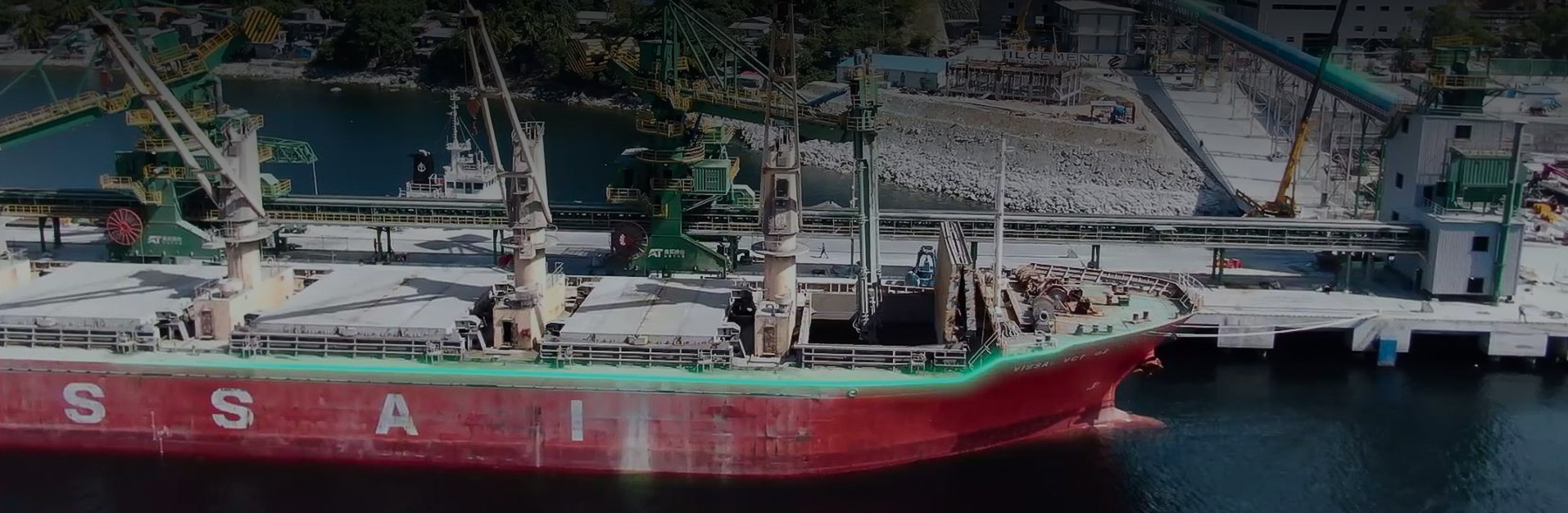


Production capacity of 300-1500t/h (calculated based on clinker bulk density)
Applicable ship types 500~100000 DWT
Horizontal arm swing angle ± 135 °
Horizontal arm elevation angle of 30 ° upward lift, 30 ° downward detection
Vertical arm swing angle internal swing 30 °, external swing 40 °
Energy consumption ≤ 0.8kwh/t
Noise ≤ 80dB
Dust emission concentration ≤ 10 mg/m ³
| Production capacity | 300-1500 metric tons per hour (calculated based on clinker bulk density 1.4-1.6 t/m³) |
| Applicable ship types | 500 to 100000 deadweight tons (barges to Capesize bulk carriers) |
| Horizontal arm swing angle | ±135 degrees horizontal slewing range |
| Horizontal arm elevation | 30 degrees upward lifting, 30 degrees downward detection capability |
| Vertical arm swing angle | Internal swing 30 degrees, external swing 40 degrees |
| Energy consumption | Not exceeding 0.8 kilowatt-hours per metric ton |
| Noise emission | Maximum 80 decibels at operator position |
| Dust emission concentration | ≤10 milligrams per cubic meter at discharge point |
It is focused on the overall solution of dry bulk material port transfer system,
research and development, manufacturing, and service

Professionalism

Quality

One stop solution

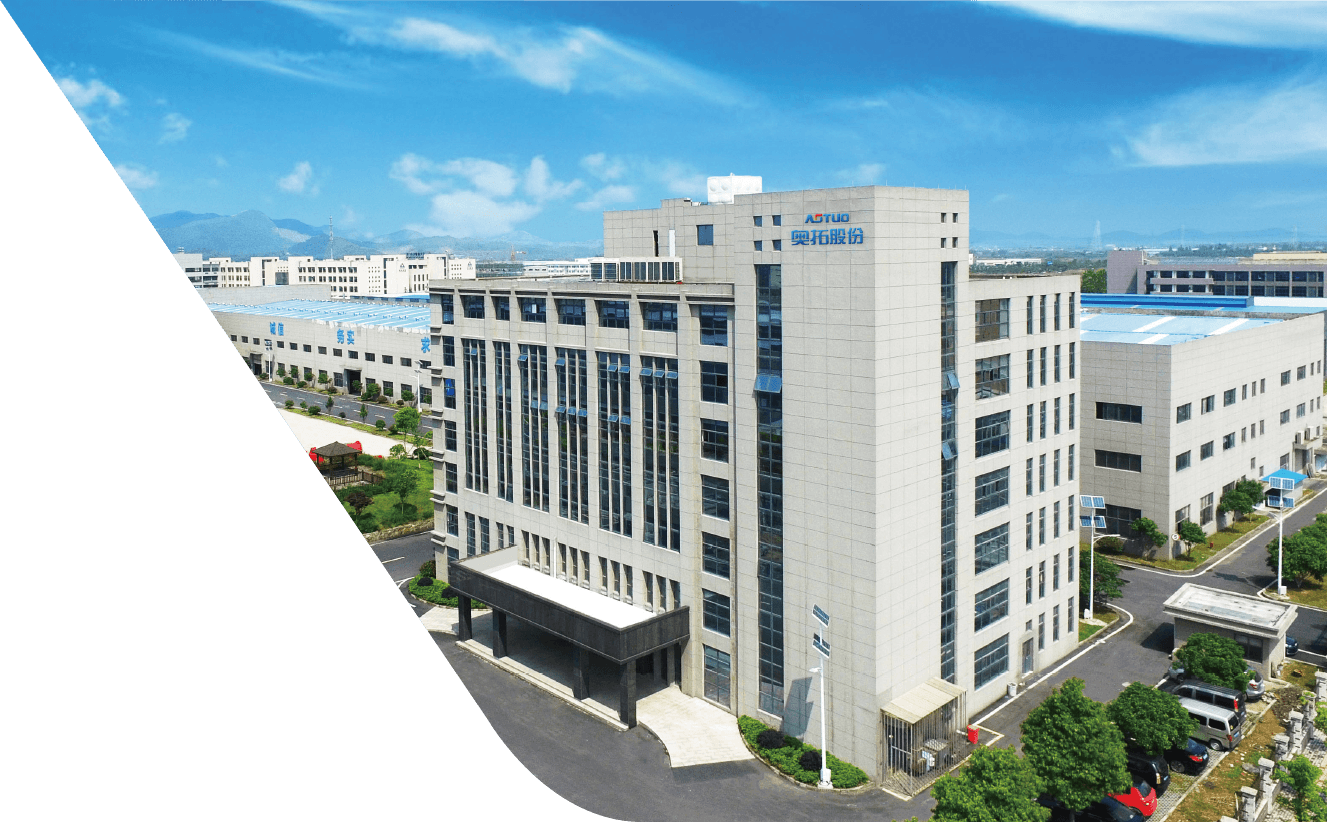

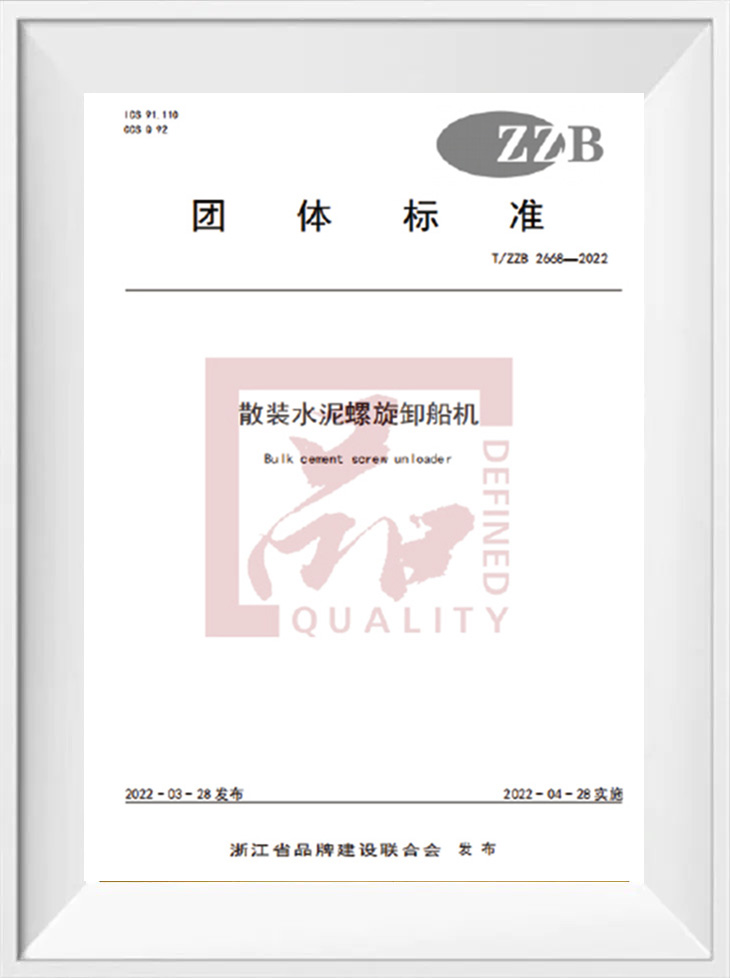
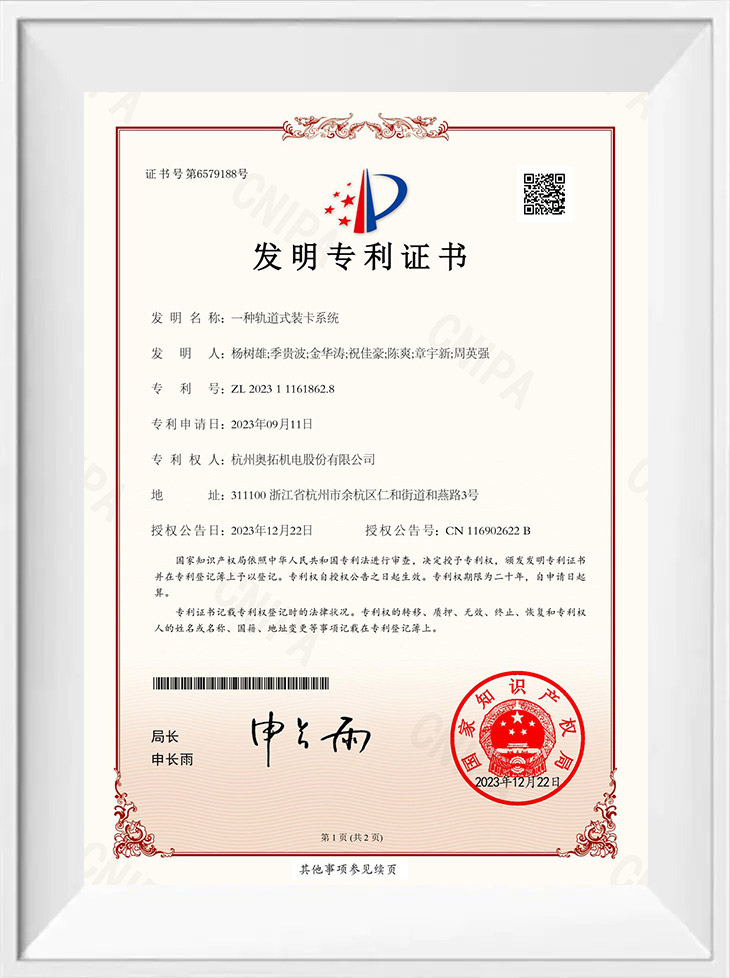
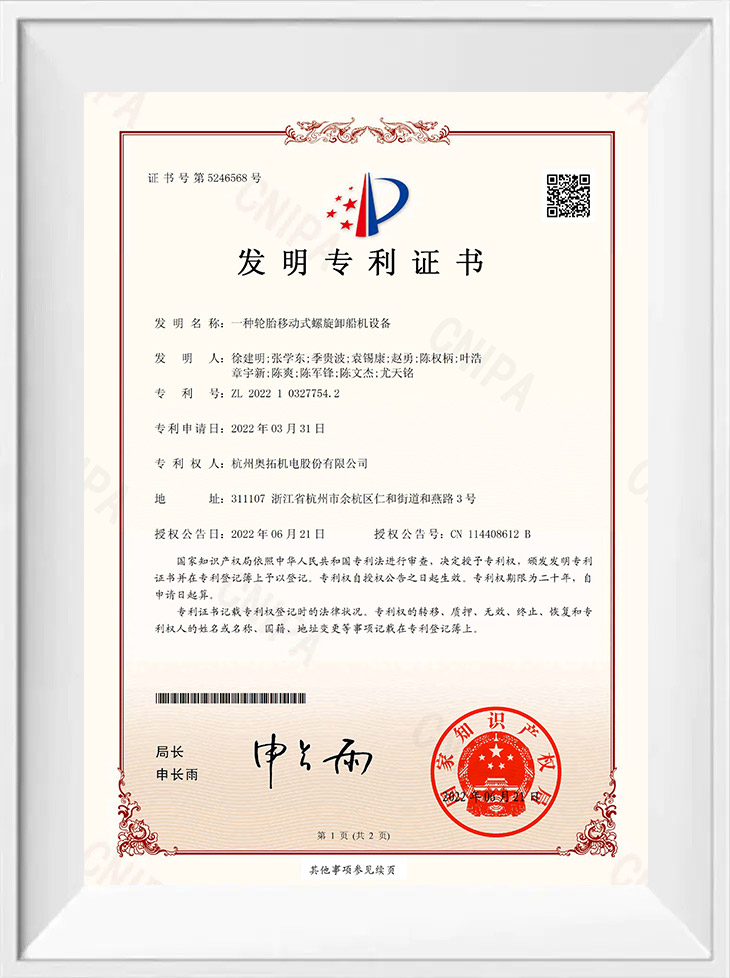
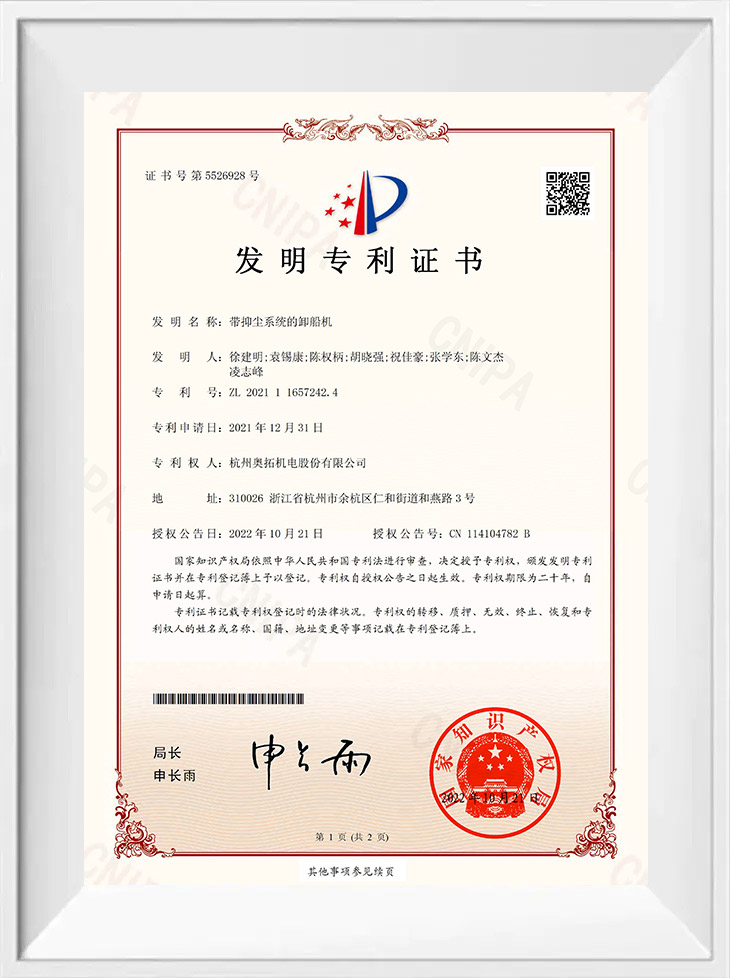
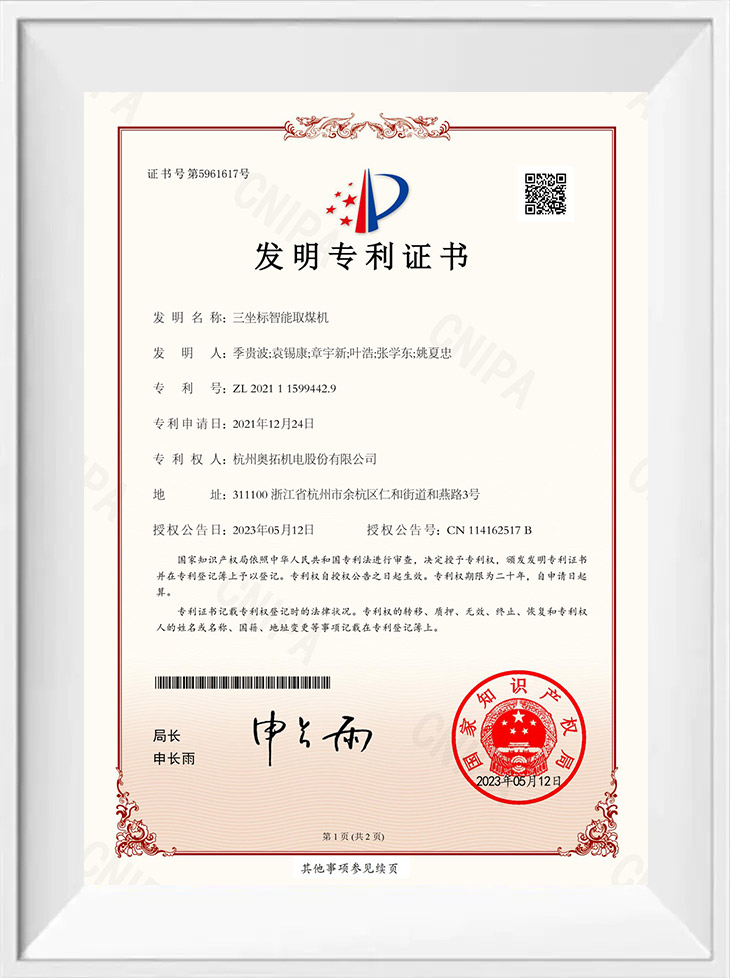
Hangzhou Aotuo Mechanical and Electrical Co., Ltd. (AOTUO) manufactures the 500~100000 DWT 300-1500t/h Environmentally Friendly Cement Clinker Ship Unloader for clinker export terminals, multi-berth cement ports, integrated cement plants and environmentally regulated harbours. This rail-mounted screw unloader is engineered around clinker abrasiveness, dust containment and continuous high-capacity discharge.
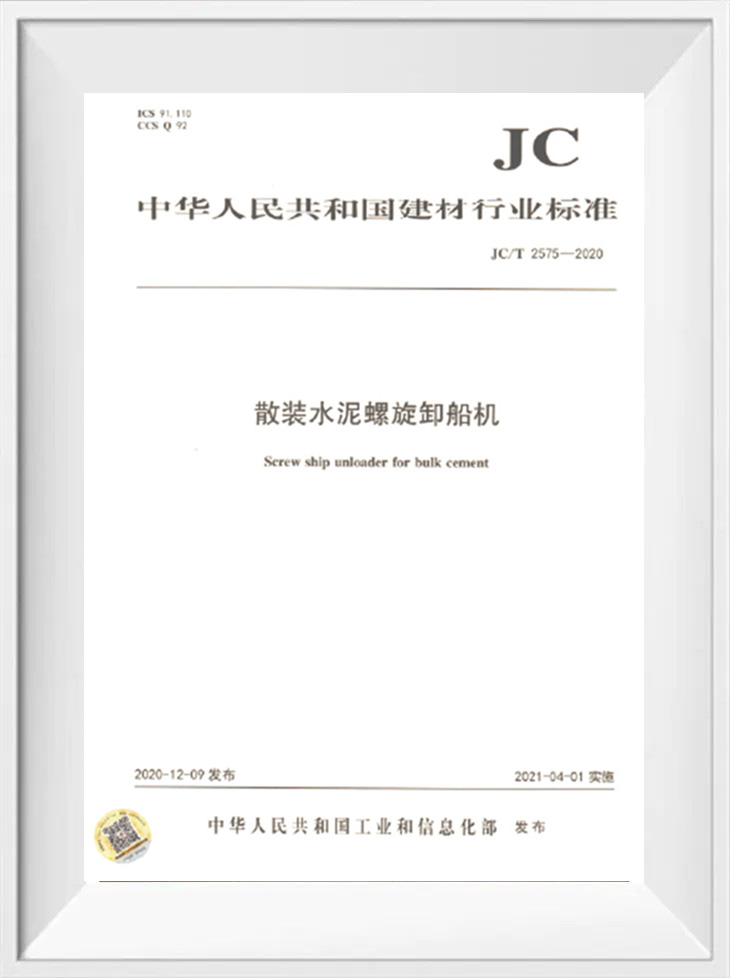
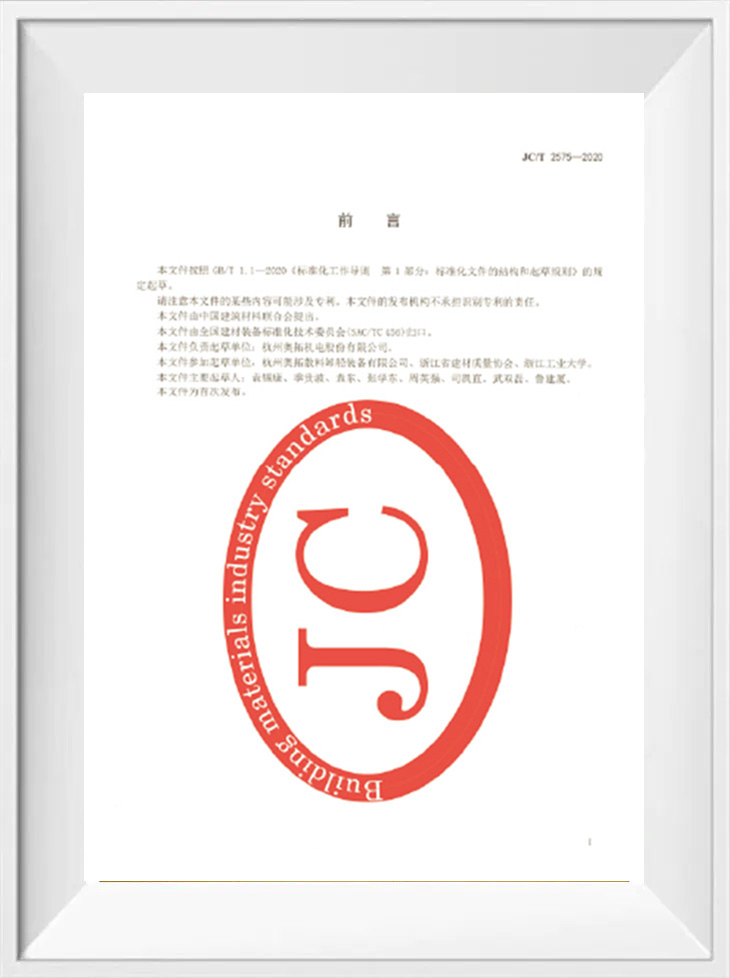
As a China-based manufacturer of dry bulk port transfer equipment, AOTUO has focused on screw ship unloader technology for more than 20 years and is the responsible drafting unit for industry standard JC/T 2575 “Bulk Cement Spiral Unloader”. Our clinker unloader range covers vessel sizes from 500 DWT barges to 100000 DWT Capesize bulk carriers, with rated capacities from 300 to 1500 t/h based on clinker bulk density.
The unloader uses a heavy-duty screw conveyor as the primary reclaiming element. The articulated boom carries a horizontal arm with ±135° slewing and a vertical arm with 30° inward and 40° outward swing, allowing the screw intake to reach deep into cargo holds and follow the clinker surface as it is drawn down. Enclosed screw conveying transfers material from the intake shroud to the discharge hopper without open transfer points.
Rail-mounted bogies with four-point support let one unloader travel along the quay and serve multiple berths. The rail system is sized for the berth layout, with typical rail gauge from 6000 to 8000 mm and foundation load ratings matched to the wheel loads of the selected model.
| Parameter | Specification |
|---|---|
| Production capacity | 300–1500 t/h (based on clinker bulk density 1.4–1.6 t/m³) |
| Applicable ship types | 500–100000 DWT (barges to Capesize bulk carriers) |
| Horizontal arm swing angle | ±135° |
| Horizontal arm elevation | 30° upward lift, 30° downward detection |
| Vertical arm swing angle | 30° internal swing, 40° external swing |
| Energy consumption | ≤0.8 kWh/t |
| Noise level | ≤80 dB |
| Dust emission concentration | ≤10 mg/m³ |
Clinker is abrasive, angular and typically delivered at temperatures up to 120°C. The screw flighting is manufactured from abrasion-resistant steel with a hardness of approximately 500 Brinell, and leading edges and liner plates receive chrome carbide hardfacing in the 600–650 Brinell range. For clinker with free silica above 8%, tungsten carbide overlay is available.
Standard screw diameter ranges from 550 to 900 mm depending on capacity, with a pitch-to-diameter ratio of 0.9 and variable-frequency drive providing a speed range of 30 to 110 RPM. This allows flow modulation from 20% to 100% of rated capacity to match conveyor takeaway and ship hold conditions.
The unloader maintains negative pressure at the screw intake shroud, transfer chute and discharge hopper. A pulse-jet baghouse captures dust with 99.9% efficiency for particles above 1 micron, and emission testing at full capacity confirms values at or below 10 mg/m³. Heated filter housings are available for low-temperature operation to prevent condensation.
Enclosed screw conveying and sealed transfer points prevent fugitive dust from reaching the quay environment. This design supports terminals operating under strict particulate permits, including those requiring dust emission below 15 mg/m³.
We configure the control system around the required line interface, including PLC automation, remote monitoring for productivity tracking and predictive maintenance alerts, and optional continuous emission monitoring. Power supply options include 690 V or 6600 V, 50/60 Hz, three-phase, with installed motor power from 400 to 750 kW depending on capacity. Cable reel or conductor bar systems are available for rail travel.
The unloader can discharge to a hopper, belt conveyor or air slide as part of a complete port transfer system. AOTUO also supplies auxiliary equipment such as dust collectors, belt conveyors and air slides to integrate with the unloader.
Rail foundation requirements include rail gauge of 6000–8000 mm, foundation load rating of 32 tonnes per wheel, rail straightness tolerance of ±3 mm over 10 metres and maximum gradient of 0.3%. Track length is determined by berth configuration and the vessel sizes served.
Commissioning includes a factory acceptance test at 100% capacity with clinker simulant, followed by on-site commissioning with a 12-hour continuous run test using actual clinker. Dust emission validation is performed per applicable local standards, noise is measured at the operator position and berth boundary, and a load test to 110% of rated capacity is conducted. Operator training covers clinker flow characteristics, dust system operation, abrasion monitoring, emergency procedures and collision avoidance.
Wear inspection intervals are set at 300 operating hours for clinker, with liner plate thickness measurement at 600 hours and screw bearing lubrication every 200 hours. Complete screw flighting replacement is typically required at 3500–4500 hours depending on free silica content. Gearbox oil is changed every 4000 hours or 24 months. All wear components are field-replaceable without full screw extraction, and maintenance access is provided through hinged doors along the screw housing.
AOTUO provides spare parts supply, technical guidance and after-sales service through our global service network. Our service team supports installation, commissioning and operator training to help terminals achieve stable throughput and environmental compliance.
To prepare a configuration and quotation for the environmentally friendly cement clinker ship unloader, we need the following project inputs:
Our screw ship unloader range covers multiple mobility and capacity classes. The 1000-70000 DWT 200-1500t/h Rail mobile Screw Ship Unloader shares the rail-mounted platform for cement and clinker. For smaller terminals, the 800-5000 DWT 150-500t/h Vehicle Mounted Screw Ship Unloader offers flexible deployment. Grain and coal variants are also available within our environmentally friendly screw unloader family.
What is the maximum clinker lump size the unloader can handle?
Standard screw configuration handles clinker lumps up to 80 mm. Material with a higher proportion of large lumps may require a modified intake design, which we review during configuration.
How does the unloader achieve dust emission below 10 mg/m³?
The system combines negative pressure at the screw intake, transfer chute and discharge hopper with a pulse-jet baghouse rated at 99.9% efficiency for particles above 1 micron. Enclosed screw conveying prevents fugitive dust from escaping.
Can one unloader serve multiple berths?
Yes. The rail-mounted bogie system allows travel along the quay, with transfer time between berths typically 4–6 minutes. Rail clamps engage automatically to secure position during unloading.
What maintenance intervals apply to the screw assembly?
Visual wear inspection every 300 operating hours, liner plate measurement at 600 hours, bearing lubrication every 200 hours, and complete flighting replacement typically at 3500–4500 hours depending on clinker abrasiveness.
What power supply does the unloader require?
Standard options are 690 V or 6600 V, 50/60 Hz, three-phase, with installed motor power from 400 to 750 kW depending on capacity. Cable reel or conductor bar systems are available for rail travel.
Does AOTUO provide commissioning and training?
Yes. Commissioning includes a factory acceptance test, on-site continuous run test, dust emission validation and load test. Operator training covers clinker flow characteristics, dust system operation, abrasion monitoring and emergency procedures.
Copyright © Hangzhou Aotuo Mechanical and Electrical Co., Ltd. All Rights Reserved.
Custom 500~100000 DWT 300-1500t/h Environmentally Friendly Cement Clinker Ship Unloader Suppliers


